Senate approves end of 6x1 scale and provides for transition from 14 months to 40-hour workday
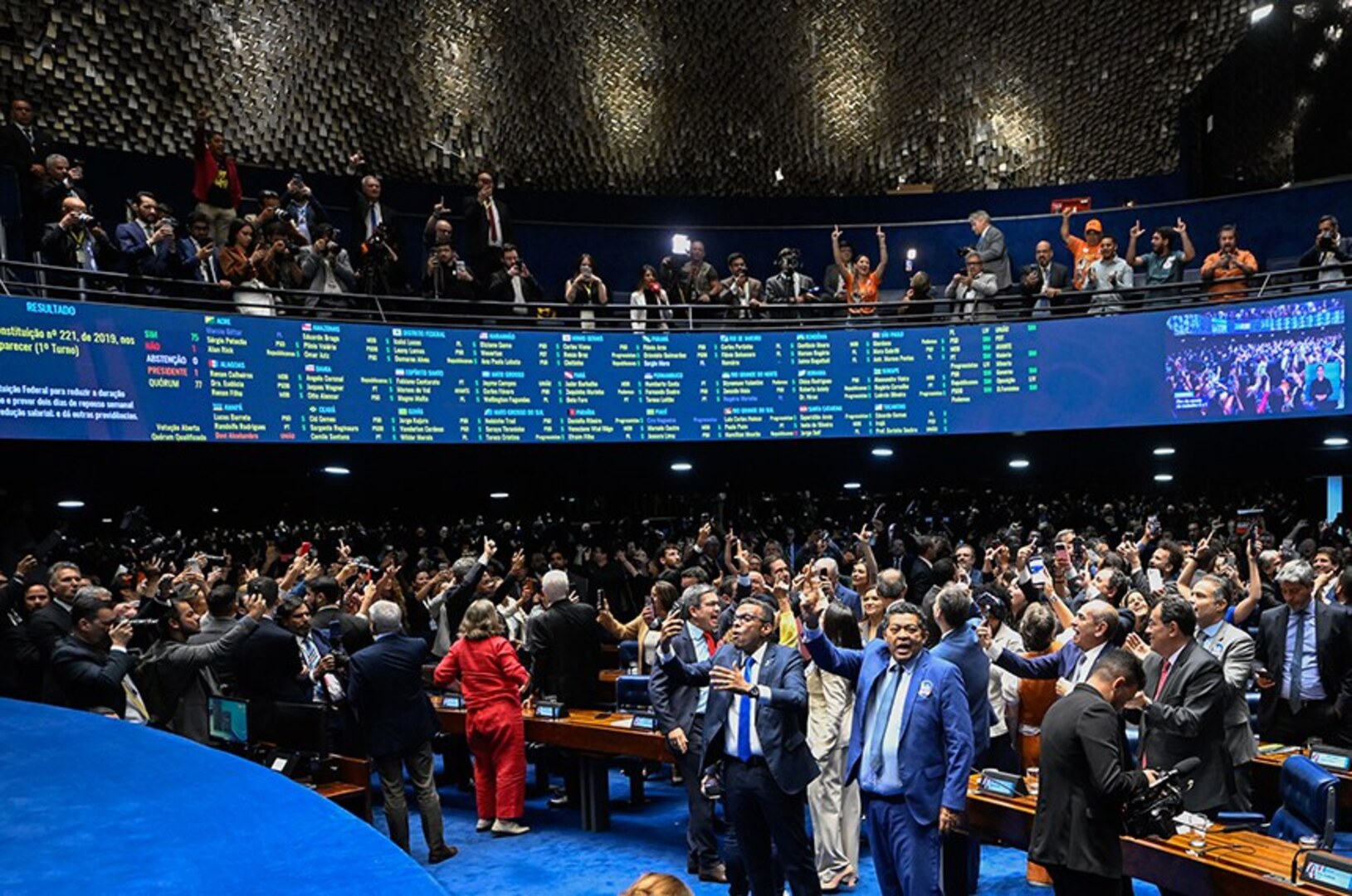
Comadre, pull up your chair and pay close attention, because this novelty directly affects the routine of those who wake up early and battle for daily bread throughout Brazil! The Federal Senate approved, by an almost unanimous vote of 75 votes to 1, the much-debated end of the 6x1 scale, paving the way for a historic change in the daily lives of those who live in the doorstep!
The vote in the Federal Senate on Wednesday (14) was marked by an expressive score of 75 votes in favor and only one against, bedpan! As the text has already passed through the scrutiny of the Chamber of Deputies, the matter now goes straight to enactment by the National Congress. The core of the new legislation ensures that all workers covered two days of paid time off each week, with no discount in their pockets at the end of the month, in addition to making official the gradual drop in the maximum workload from 44 to 40 hours per week.
In order for companies and employees to adjust to the new reality, a 14-month transition period was established divided into two well-defined stages: in the first 60 days after the entry into force, the weekly limit drops from 44 to 42 hours, with the right to two days off (which do not necessarily have to be consecutive); in the following 12 months, the workday reaches the final level of 40 hours per week, maintaining the prohibition of reducing remuneration. Experts in Labor Law clarify that strategic sectors such as health and essential services are not included in the package of this immediate change, requiring conventions, collective bargaining and specific regulations for their operations.
The decision generated a heated debate from end to end in the country. On the side of employees and legal experts, the achievement is celebrated as an indispensable civilizing milestone for the preservation of mental health, socializing with children and more quality of life for those who spent the entire week exhausted from working six days to rest just one. On the other hand, employers such as the Brazilian Association of Bars and Restaurants (Abrasel) and retail trade unions have shown concern about the pressure on operating costs, pointing out that the reduction will require new hires and urgent review of schedules in a deadline that they consider tight, especially in view of the end-of-year commercial calendar.
It's one of those measures that touch the heart of the Brazilian routine, right? Having real time to breathe, take care of the house, play with the grandchildren and live beyond work is dignity, and now the challenge is to see the economy balance so that everyone wins without losing their job!
And at home, bedpan? Do you think that resting two days a week will transform the health and peace of your family or are you afraid of commerce passing on the costs in prices?