Shark That Can Live More Than 400 Years Divides Greenland — And Is Part of Icelandic Cuisine
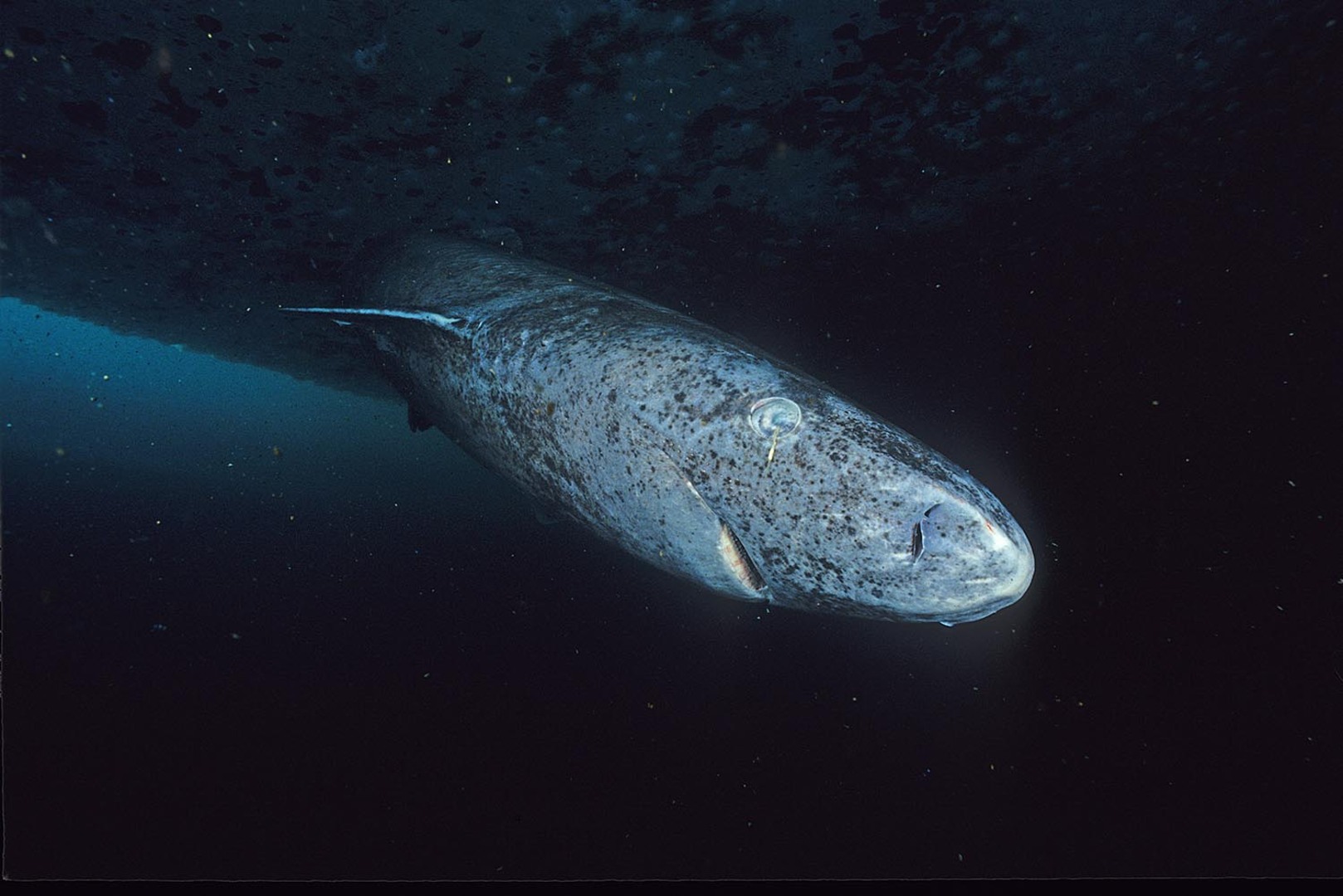
Comadre, imagine a shark whose life can span centuries! In the icy waters of the North, this extraordinary animal is at the center of a dispute between fishing and conservation. In Iceland, it also has a place in a gastronomic tradition known for its striking smell: hákarl.
A slow-moving giant, which inhabits cold waters and can achieve impressive longevity, has become a source of conflict in Greenland. The Greenland shark, scientific name Somniosus microcephalus, can attach itself to fishing gear and cause losses for those who depend on the sea. Its biology, however, requires care: it grows slowly and takes many decades to reach reproductive maturity. Canada.ca
The controversy gained a concrete proposal in February 2026. The city council of Avannaata approved an initiative that would offer 300 Danish kroner per shark heart delivered, with a target of 1,000 animals. The budget was 300,000 kroner, taken from a grant for pest control. Oceans North
The plan, however, did not go ahead. In April, it was disclosed that the initiative had no legal basis. The withdrawal of the reward did not end the disagreement: fishermen continued to advocate for population reduction, while the organization Oceans North Kalaallit Nunaat proposed to seek long-term solutions. Oceans North
Why do fishermen complain?
When a shark gets caught in nets or lines with hooks, removing it can be time-consuming, damage materials, and compromise catch. In remote communities, replacing equipment can also be difficult. Oceans North itself recognizes these difficulties and says that the losses need to be considered. Oceans North
The organization questions, however, whether killing the animals would solve the problem. Sharks from other areas can reach fishing grounds, and the disposal of carcasses can attract new individuals. Their assessment also points to other causes of equipment loss, such as strong currents, rocky bottoms, and materials abandoned at sea. Oceans North
Can it really live more than 400 years?
This possibility comes from research published in 2016, which analyzed the carbon present in the core of the lens of the eyes of 28 females. For the largest specimen studied, the estimate was 392 years, with a margin of approximately 120 years more or less. Canada.ca
Therefore, the "more than 400 years" represents a possibility within the scientific estimate. They do not mean that all sharks of this species reach this age. A Canadian assessment from 2025 points out that there are still uncertainties in the method and that these ages have not been validated by an independent technique. Canada.ca
Still, the combination of slow growth, long life, and estimated maturity around 150 years makes the species especially vulnerable to overfishing. The Greenland shark is classified as Vulnerable on the International Union for Conservation of Nature Red List. Canada.ca
The warning about the population
The fear of conservationists is that the removal of animals will cause losses that are difficult to compensate for in such a late reproduction species. This does not allow us to say that the population is already collapsing: there is a lack of systematic data on the number of sharks in Greenland's waters and on their bycatch. Canada.ca
Among the proposals are to improve the records made by fishermen, identify the places where the most common catches occur, and test equipment capable of reducing these encounters. Oceans North also advocates the removal of abandoned materials and research into technologies to keep sharks away. These are alternatives that need to be evaluated with fishing communities. Oceans North
And in Iceland, is this shark consumed?
Yes, bedpan! Despite its name, the species also occurs in the waters near Iceland. It is from it that hákarl is produced, a traditional food obtained by fermenting and drying meat. The Bjarnarhöfn Shark Museum presents this tradition and its preparation process. The Shark Trust
Fresh meat contains substances that make it toxic. Traditional processing modifies its composition; research on hákarl follows precisely the chemical and microbiological changes that occur during fermentation. Therefore, it is not simply a matter of cutting the fish and serving it raw. The Shark Trust
Known for its intense odor and customary flavor, hákarl participates in Þorrablót celebrations in the Icelandic winter and can also be found throughout the year in commercial establishments. It is an expression of the country's food culture, although Icelandic gastronomy offers many other options. Visit Iceland
The story of this shark brings science, work and tradition closer together. In Greenland, the search is for ways to reduce fishing losses without aggravating the pressure on a vulnerable species. In Iceland, its consumption opens up another conversation: how to preserve customs and, at the same time, consider the future of the animals that are part of them?